Introduction
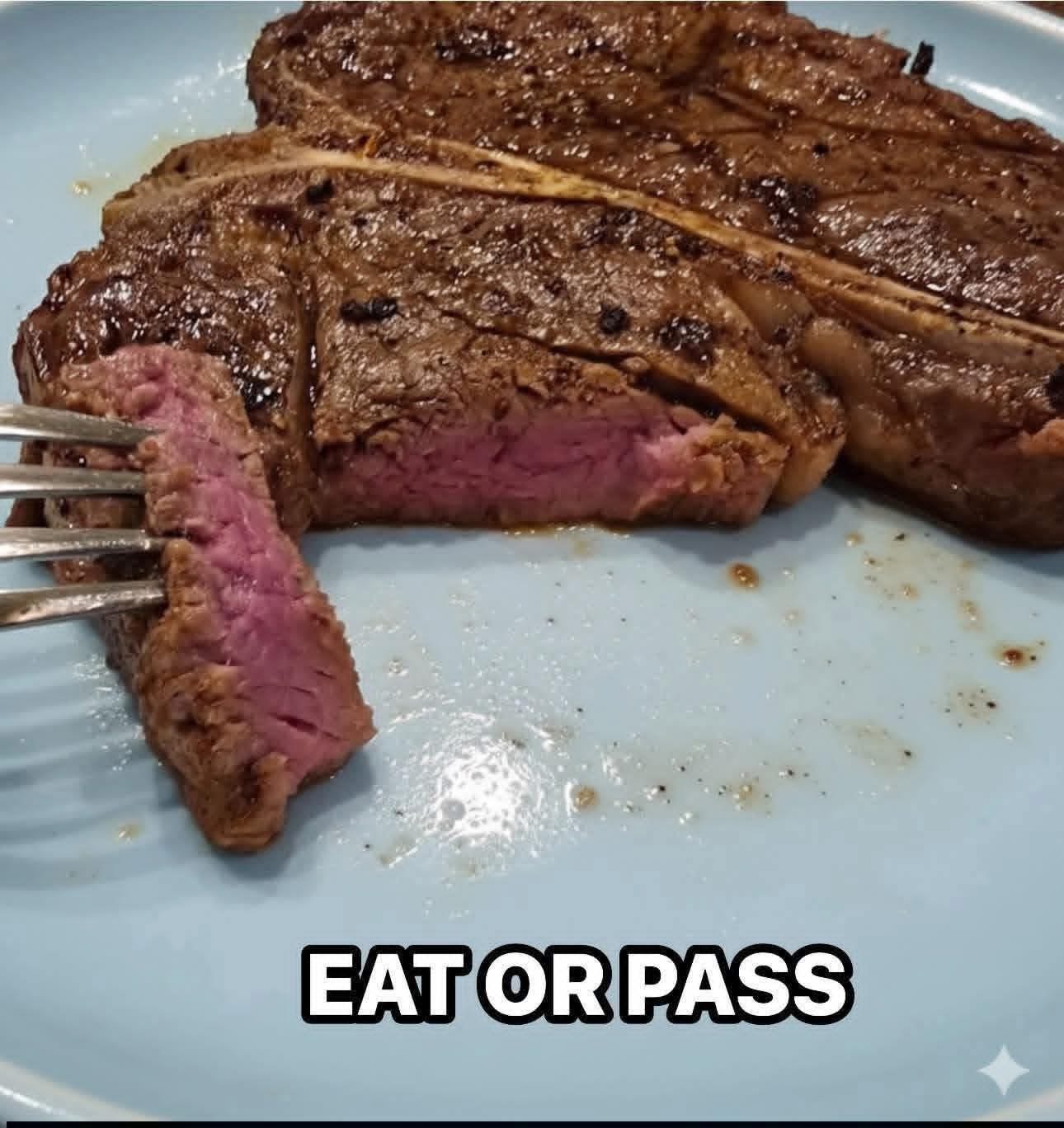
The T-Bone steak is the king of the grill—a legendary cut that offers the best of both worlds in a single piece of meat. On one side of the bone lies the tender, buttery filet mignon; on the other, the rich, beefy New York strip. Grilled to perfection with a golden crust and a juicy, pink center, this steak is the ultimate indulgence for steak lovers. Whether you’re celebrating a special occasion or just treating yourself to a restaurant-quality meal at home, mastering the T-Bone is a skill worth having. This recipe walks you through every step, from seasoning to searing to resting, so you can achieve steakhouse perfection in your own backyard.
Ingredients
· 1 T-Bone steak (1 to 1½ inches thick, about 1–1½ lbs)
· 2 tbsp olive oil or melted butter
· 1 tbsp coarse sea salt or kosher salt
· 1 tsp coarse black pepper, freshly cracked
· 2 cloves garlic, smashed (optional)
· 2 sprigs fresh rosemary or thyme (optional)
· 1 tbsp unsalted butter (for basting, optional)
· Optional: Compound butter, chimichurri, or steak sauce for serving
Instructions
Step 1: Bring to Room Temperature
Remove the T-Bone from the refrigerator 30–45 minutes before cooking. Letting it come to room temperature ensures even cooking.
Step 2: Pat Dry and Season
Pat the steak dry with paper towels—this is crucial for a good sear. Rub both sides with olive oil, then season generously with coarse salt and cracked black pepper. Press the seasoning into the meat.
Step 3: Preheat the Grill
Preheat your grill to high heat (450–500°F / 230–260°C). Clean the grates and lightly oil them to prevent sticking.
Step 4: Sear the Steak
Place the T-Bone on the hottest part of the grill. Sear for 4–5 minutes per side without moving it, allowing a deep golden crust to form.
Step 5: Move to Indirect Heat
Move the steak to a cooler part of the grill (indirect heat). If using garlic, rosemary, and butter, place them on top of the steak now. Close the lid and cook for another 4–6 minutes, depending on desired doneness.
Step 6: Check Doneness
Use a meat thermometer to check the internal temperature:
· Rare: 120–125°F (49–52°C)
· Medium-Rare: 130–135°F (54–57°C)
· Medium: 140–145°F (60–63°C)
· Medium-Well: 150–155°F (66–68°C)
· Well-Done: 160°F+ (71°C+)
Step 7: Rest the Steak
Transfer the steak to a cutting board and let it rest for 5–10 minutes. This allows the juices to redistribute, ensuring a juicy, flavorful bite.
Step 8: Slice and Serve
Slice the filet and strip separately, cutting against the grain. Serve with your favorite sides and enjoy.
Methods
Method 1: Grilled (as written above)
Best for that smoky, charred crust and classic steakhouse flavor.
Method 2: Cast Iron Skillet
Heat a cast iron skillet over high heat until smoking. Sear the steak 3–4 minutes per side, then finish in a 400°F (200°C) oven for 5–8 minutes. Baste with butter, garlic, and herbs.
Method 3: Oven-Broiled
Preheat the broiler. Place the steak on a broiler pan 4–6 inches from the heat. Broil 5–6 minutes per side, flipping once, until desired doneness.
Method 4: Sous Vide
Season the steak, vacuum-seal, and cook in a sous vide bath at 130°F (54°C) for 1–2 hours. Finish with a quick sear in a screaming-hot cast iron skillet for 1 minute per side.
Method 5: Reverse Sear
Cook the steak in a 250°F (120°C) oven until it reaches 10°F below your target temperature. Then sear in a hot cast iron skillet for 1–2 minutes per side for a perfect crust.
History
The T-Bone steak gets its name from the T-shaped bone that runs through it, separating two distinct cuts of beef: the tenderloin (filet mignon) and the strip loin (New York strip). The cut has been a staple of American steakhouses since the late 19th century, when large cattle drives and the rise of the Chicago stockyards made beef more accessible to the masses. The T-Bone and its larger cousin, the Porterhouse, became symbols of American indulgence and prosperity. In the 1950s and 60s, T-Bone steaks were a fixture at backyard barbecues and upscale restaurants alike. Today, they remain one of the most coveted cuts for grilling enthusiasts, celebrated for offering two different steak experiences in one.
Benefits
· Two Cuts in One: Enjoy the tenderness of filet mignon and the robust flavor of strip steak.
· High Protein: A single steak provides a massive dose of muscle-building protein.
· Rich in Nutrients: Excellent source of iron, zinc, and B vitamins.
· Impressive Presentation: A show-stopping centerpiece for any dinner.
· Grill-Friendly: The bone adds flavor and helps retain moisture.
· Keto and Low-Carb Friendly: Perfect for those following low-carb or carnivore diets.
· Celebration-Worthy: Ideal for birthdays, anniversaries, and special occasions.
Variations
· Garlic Butter Basted: Baste with garlic butter in the last minute of cooking.
· Coffee Rub: Use a coffee and brown sugar rub for a smoky, caramelized crust.
· Chimichurri Topping: Drizzle fresh chimichurri sauce over the sliced steak.
· Blue Cheese Crust: Top with crumbled blue cheese and broil for 1 minute.
· Spicy Cajun: Season with Cajun seasoning for a bold kick.
· Herb-Infused: Marinate in olive oil, rosemary, and thyme for 2 hours.
· Teriyaki Twist: Marinate in soy sauce, ginger, and garlic for an Asian-inspired flavor.
Conclusion
The T-Bone steak is more than just a cut of meat—it’s an experience. With its dual nature of tender filet and flavorful strip, it offers something for everyone at the table. Grilled to perfection with a golden crust and a juicy, pink center, it’s a meal that feels celebratory and satisfying. Whether you’re a seasoned grill master or a beginner looking to impress, this recipe gives you the tools to achieve steakhouse-quality results at home. Fire up the grill, pour a glass of red wine, and savor every bite.
For the Lovers
For those who truly adore T-Bone steak, here are the best ways to enjoy it:
· The Classic Plate: Serve with garlic mashed potatoes, grilled asparagus, and a glass of Cabernet Sauvignon.
· The Surf and Turf: Pair with grilled shrimp or lobster tail for the ultimate indulgence.
· The Steakhouse Board: Slice the steak and serve on a wooden board with compound butter, flaky salt, and crusty bread.
· The Leftover Lover: Slice leftover steak thin and pile it onto a toasted baguette with horseradish cream for a steak sandwich.
· The Salad Upgrade: Slice over a bed of arugula with shaved parmesan and balsamic glaze.
· The Breakfast Twist: Serve with fried eggs and roasted potatoes for a hearty steak and eggs breakfast.
Final Methods Recap
· Method 1: Grilled—sear on high heat 4–5 minutes per side, move to indirect heat, cook to desired temperature, rest 5–10 minutes.
· Method 2: Cast Iron Skillet—sear 3–4 minutes per side, finish in a 400°F (200°C) oven for 5–8 minutes.
· Method 3: Oven-Broiled—broil 5–6 minutes per side, flipping once.
· Method 4: Sous Vide—cook at 130°F (54°C) for 1–2 hours, then sear 1 minute per side.
· Method 5: Reverse Sear—cook in a 250°F (120°C) oven, then sear in a hot skillet for 1–2 minutes per side.